

If you’ve ever seen commercials that feature jewelry, you’ve probably seen the advertisements that feature gold and heard its different grades: 14 karats, 18 karats, 22 karats, etc. As you may know, 24 karats is the highest grade and it signifies that the gold is pure with no traces of other metals in it. Because of its purity and rarity, 24 karat gold is generally the most expensive. We see how much it’s coveted in pop culture references, movies, and TV shows. It’s pure, beautiful, and difficult to come by.
Those are three words that also describe the virtues of purity and chastity. In an age where people are objectified more than ever, chastity has become a rarity. Some parts of society encourage behaviors that diminish the value of a human person when instead we should cherish our bodies and souls, even more than 24 karat gold.
These virtues, all but forgotten in modern culture, are vital to maintaining a holy and vibrant spiritual life.
Purity and chastity, while often addressed together and used interchangeably, are related yet different and should be distinguished.
Purity is the virtue that gives us the ability to see things as they truly are, with a pure heart. Purity, while certainly violated by sexually impure things, also touches other facets of our morals. You can do things with impure motives even if it doesn’t revolve around a sexual issue. Attending an event not to make the host happy but to show off your new suit would be an action done with impure motives.
Chastity is the ability to regulate our desires so that they are always used appropriately. A married man lives chastely with his wife in a way that is beneficial to him, his wife, and his family, potential or actual. For a single person, chastity would involve abstinence from sexual relations until they have fallen in love and gotten married within the Church. Those who have chosen a life of celibacy, whether a priest or layperson, might go a step further to pursue chastity and remove themselves from opportunities or occasions where temptation might even potentially arise.
At no point in a person’s life should they stop striving for chastity. It is a virtue that is worth striving for at all stages of life, whether you are single, married, or celibate. Temptations against purity can come in many different forms, sexual or otherwise.
One reason chastity is so scarce among single people these days is that it first broke down among married couples. The introduction of contraception, the explosion of pornography, and the rise in the divorce rate are all related sins of impurity and they all contributed to the effects that were passed down to today’s youth. The youth won’t follow what you say. They’ll follow what you do. And once couples with weak moral foundations were introduced to contraception, there was nothing to stop them from needing to control their desires. They weren’t considering the example they were setting, the effects of their actions, or the moral consequences.
Relationships have evolved into, “Do what you want. Just don’t face the consequences.”
The solution to this modern day shortage of chastity and purity is to build a culture of self-discipline and appreciate for life’s gifts. As Pope St. John Paul II said, the problem with sins of impurity and immodesty are not that they show too much of a person but rather that they show too little.
Jesus, Mary, and Joseph, help me to live a chaste life and act with pure intentions. Amen.
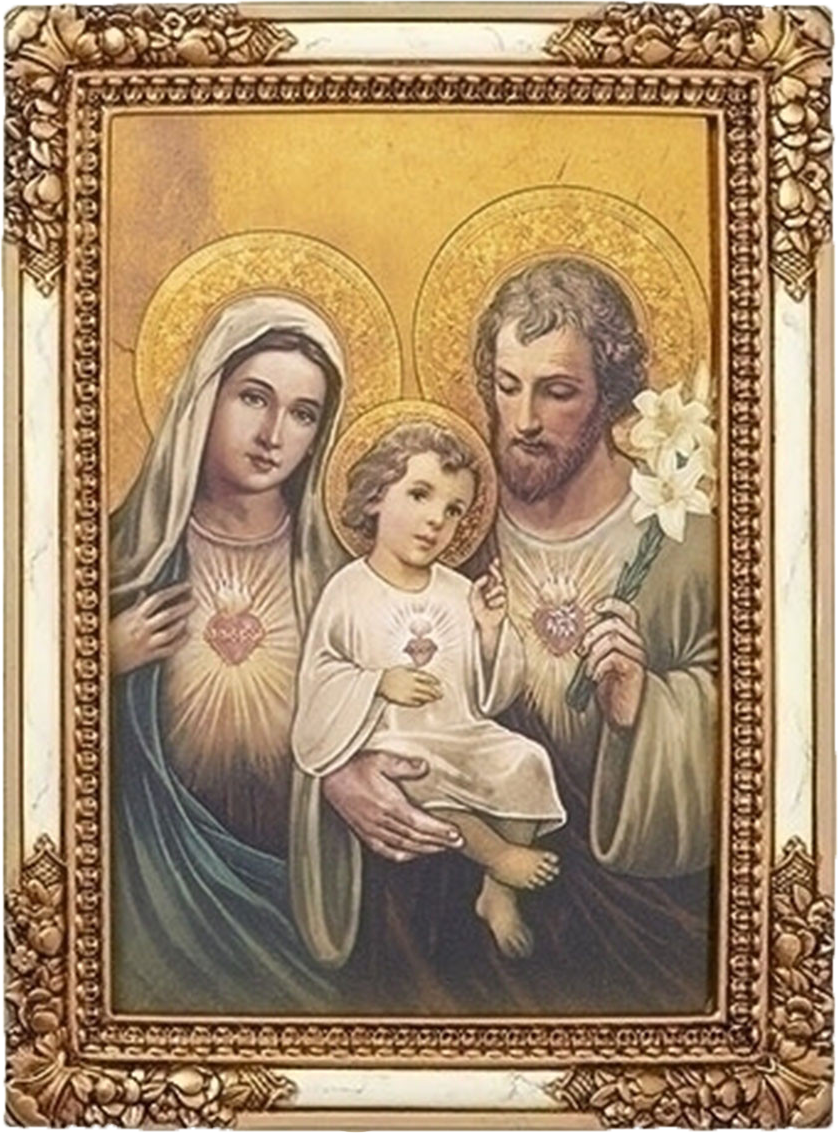
When you give at the $1,200 level during this pledge drive, you’ll receive a Holy Family Chaste Hearts Framed Plaque. This elegant Chaste Hearts framed plaque features a finely detailed design that reflects deep reverence and faith. Beautifully crafted with a timeless style, it’s a meaningful reminder of devotion and spiritual grace, perfect for a home altar, prayer space, or as a thoughtful religious gift. (Resin, 7″ H)
Give now!
And if you have already given to support the Relevant Radio Pledge Drive, thank you for your generous support!